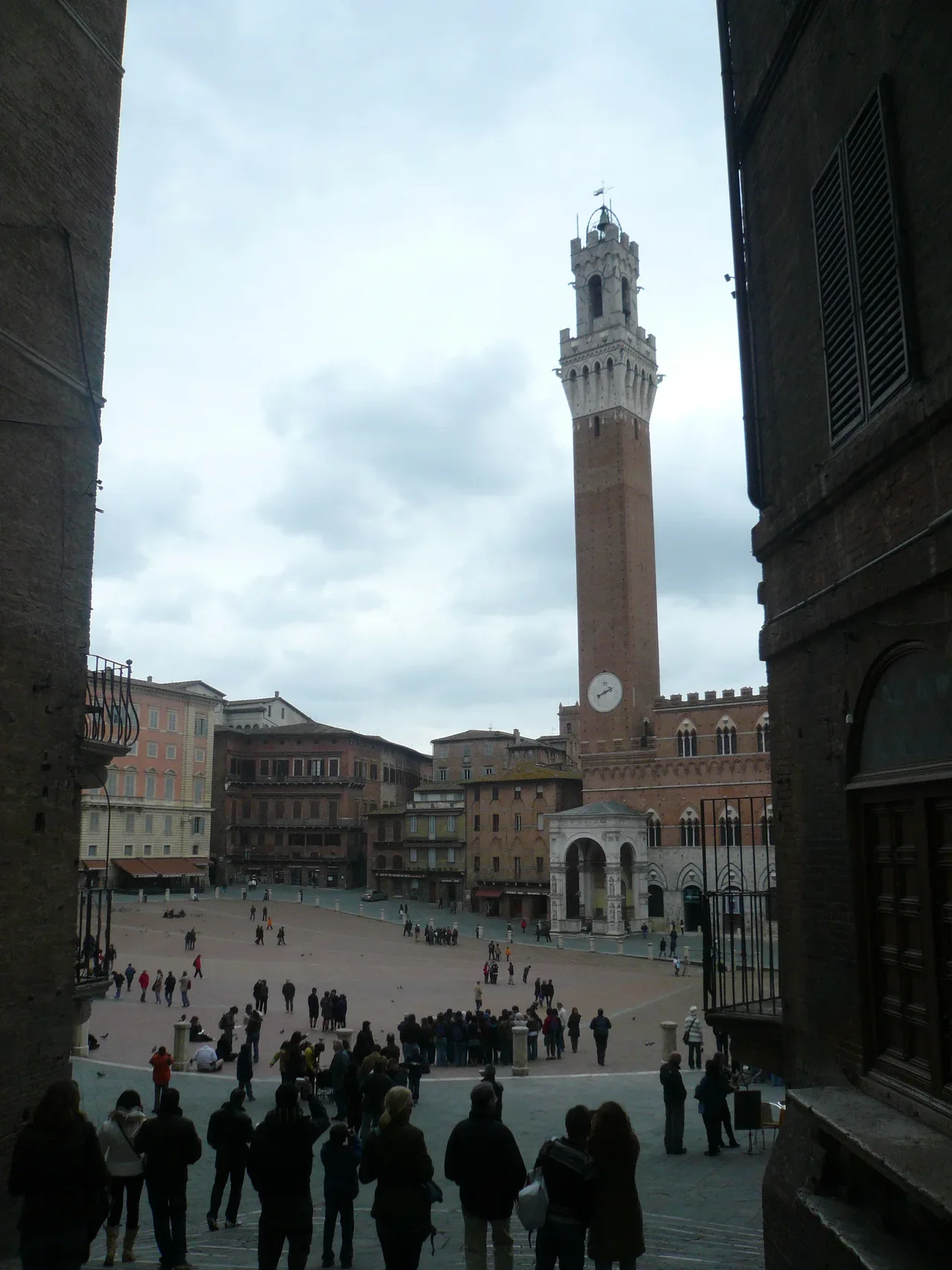
A city can continue to unfold after the last walk. What has been seen finds words, associations and questions when people sit down together. A square returns to the conversation through a detail; a pause takes on another meaning when remembered. The table offers time to discover what deserves to remain.
Siena closes the focus of L’Eccellenza’s first issue. The reading brings together the built city and the city of relationships: stone, daily life, belonging and ways of welcoming. Mugolone offers a viewpoint for considering how hospitality can extend an encounter with a city and carry its memory to the table.
Stone holds relationships
Siena’s municipal portal presents its seventeen contrade through symbols, histories and places of social life. This dimension brings the city closer to a culture of belonging. What is seen in a street may be connected to relationships that continue throughout the year, beyond the moment a visitor passes.
Reading the city through this lens asks for respect for the difference between observing and belonging. An image may show a flag or an emblem; meaning gains depth when explained by sources and people connected to that community. Curiosity becomes a form of attention that recognises context before turning it into a personal memory.
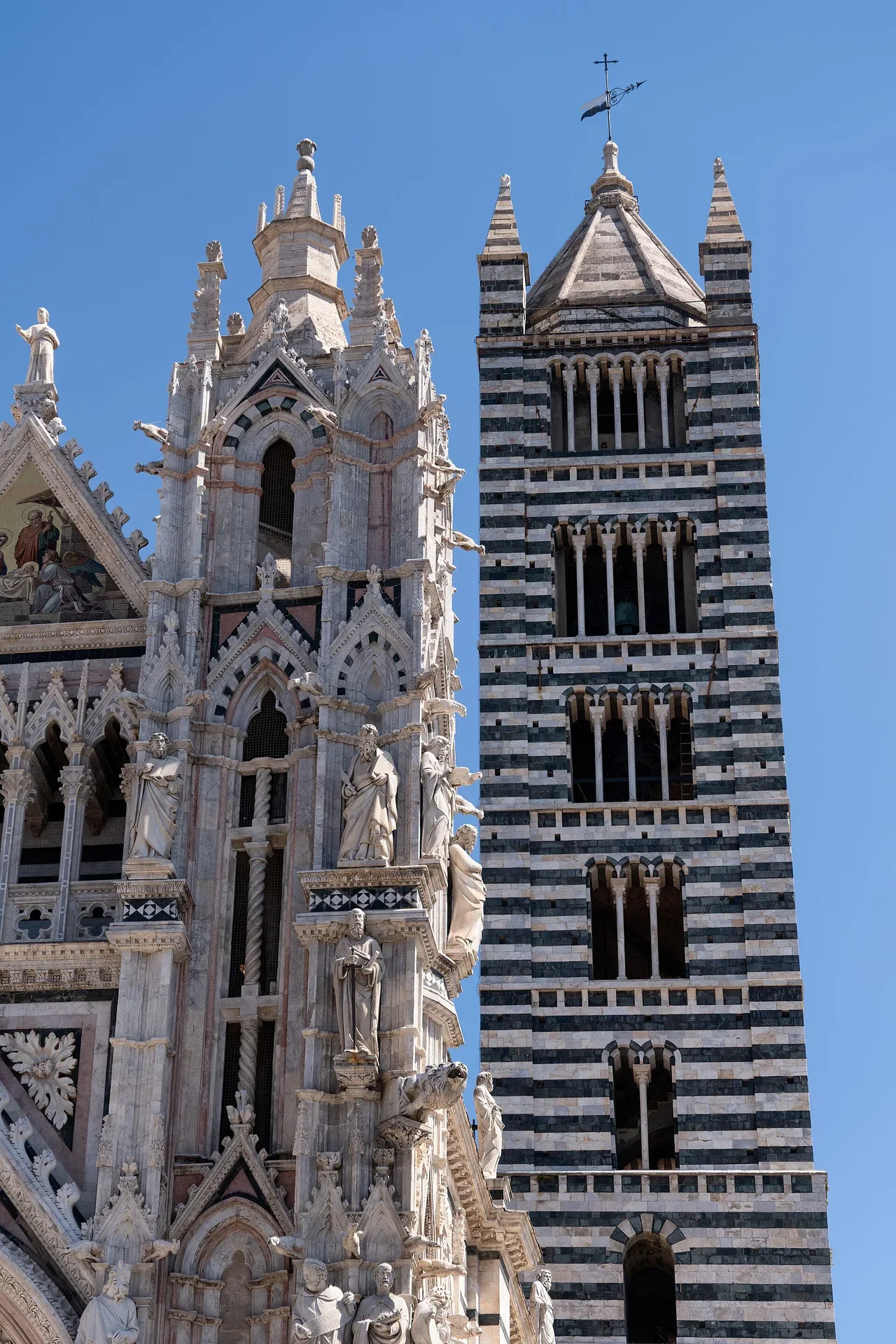
Stone offers another scale of continuity. Squares, streets and façades receive successive uses while retaining traces of earlier decisions. Walking can reveal how a city arranges closeness, passage and staying. Some details become legible only when attention has time to return to them.

A house within the city
Mugolone is on Via dei Pellegrini, between Piazza del Campo and Piazza del Duomo. The restaurant tells its history through family continuity and a period of renewal, connecting Tuscan cooking with contemporary interpretation. It offers a concrete way of bringing memory and present into the same conversation.
A final table can be considered through this relationship. The meal makes room to share what each person has kept: a gesture learned, a surprising place, a question still to be developed. Hospitality creates the conditions for these memories to meet, with time to listen to differences.
This quality of presence interests the magazine. A setting, a way of explaining and the care of service can help someone feel welcome. Observing these relationships allows hospitality to be discussed through concrete actions. The table becomes part of a cultural reading of the city.

What travels home
At the end of a reading, it can be useful to choose three things to keep: a place, a gesture and a question. The place preserves memory’s geography; the gesture brings learning closer; the question leaves the relationship open. This small exercise gives continuity to what a journey or a story has made visible.
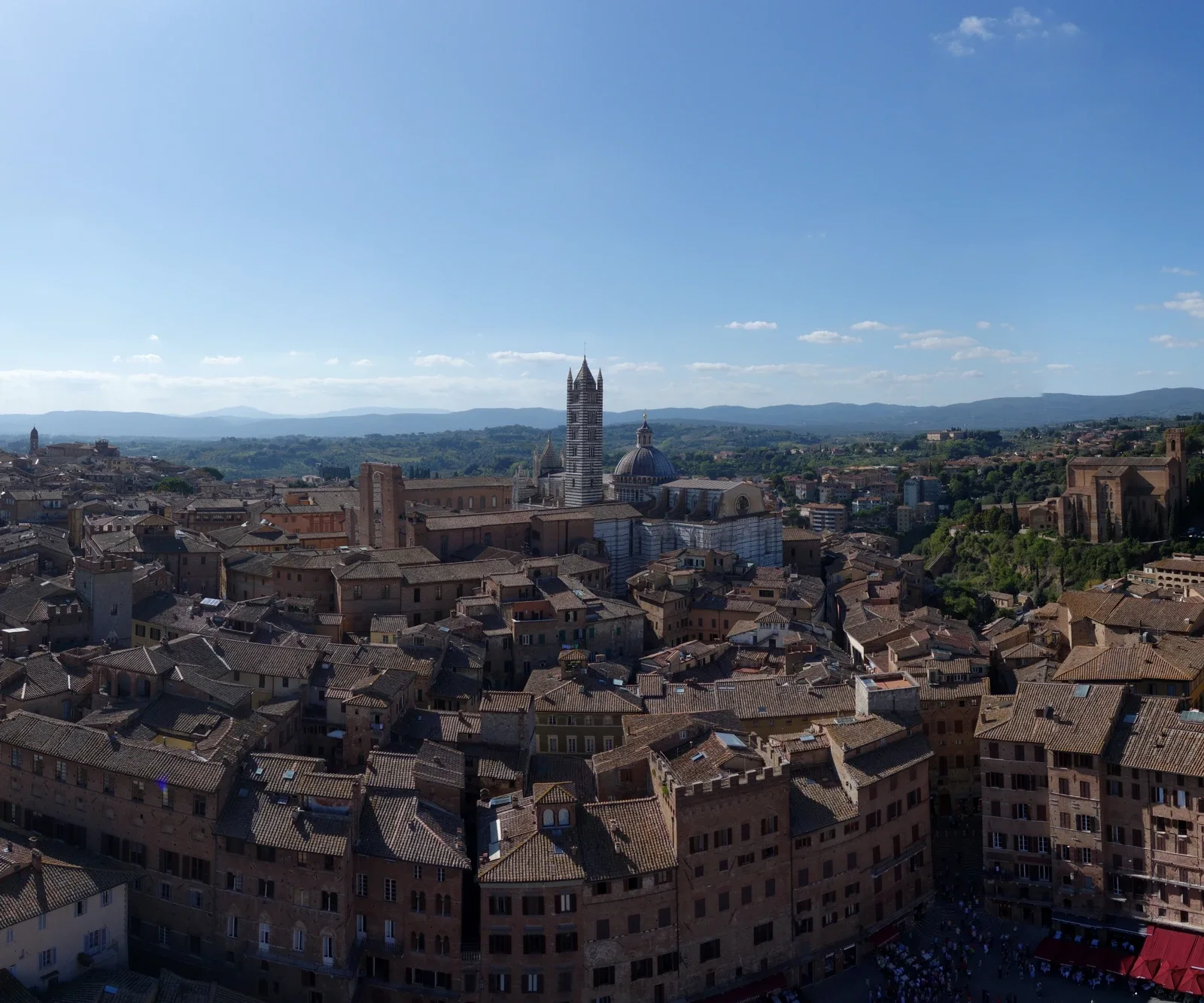
This issue moves through the work preceding an ingredient, the crafts that transform it and the ways it is shared. Siena brings these approaches together in a reading of continuity. City and table become places where we can recognise a change in how we look.
What remains of a city can change over time. A detail once peripheral begins to guide a memory; a conversation raises a question that takes shape later. Returning can begin with this renewed attention, when something that seemed familiar asks for time again. The relationship with a place continues to be learned.
The final table can begin another conversation. What would you like to understand better on returning to Siena? Keeping that question is a way of remaining at the table with the city.
Sources & reading
Text: World Cooking Experience. Editorial essay informed by the sources below and the house’s 2026 preparatory archive.
Image credits and editorial note ↗