A glass brings together times that did not begin together. There is a vineyard’s cycle, a harvest year, the work of transformation and the decision to keep. When wine reaches the table, these times become close, even if they remain difficult to separate. A reading of a place can begin with that curiosity.
Montalcino enters L’Eccellenza through Brunello and the relationship between landscape and ageing. WCE’s focus includes Castiglion del Bosco as a place to approach vineyards, cellars and ways of welcoming. The estate is a viewpoint here; the questions can continue towards other producers and into the act of tasting itself.
A territory contains differences
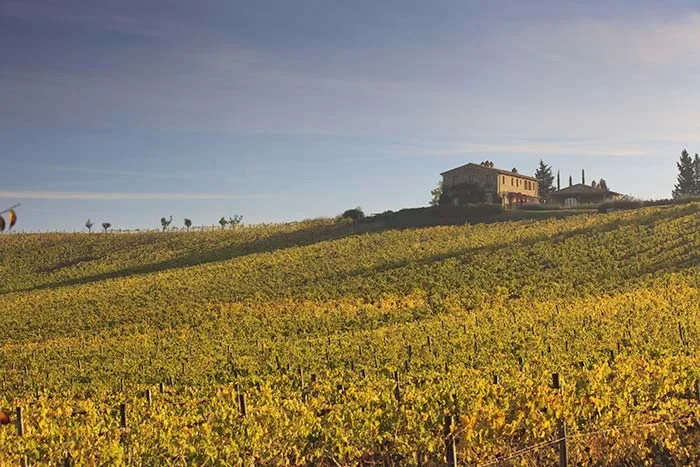
The Brunello Consorzio describes Montalcino through variations in soil, exposure and altitude. This diversity offers a useful starting point: a shared territorial name holds nearby conditions that are not identical. Landscape gains interest when we try to understand these differences and the work that responds to them.
In its vineyard presentation, Castiglion del Bosco distinguishes Capanna from Gauggiole. The estate connects the two sites with different conditions and uses. That account invites specific questions: where is cultivation taking place, how are decisions made, what is followed over time, and how do those choices reach the cellar?
Our view can become more attentive before the first tasting. A slope, an exposure and the distance between plots begin to participate in a conversation about cultivation. Readers approach the scale at which a territory is worked, with particularities that a general image can compress.
Duration as part of a name
The Consorzio’s published rules specify Sangiovese for Brunello di Montalcino and minimum ageing: two years in oak and four months in bottle, or six for Riserva. Release begins in January of the fifth year after harvest, or the sixth for Riserva. These requirements belong to Brunello and do not automatically apply to Rosso di Montalcino.
Time becomes part of a recognisable commitment. A designation brings origin and production conditions together, while each producer makes decisions within that framework. For someone reading about or visiting a cellar, the distinction opens room to ask what is shared and what belongs to the choices of a particular house.
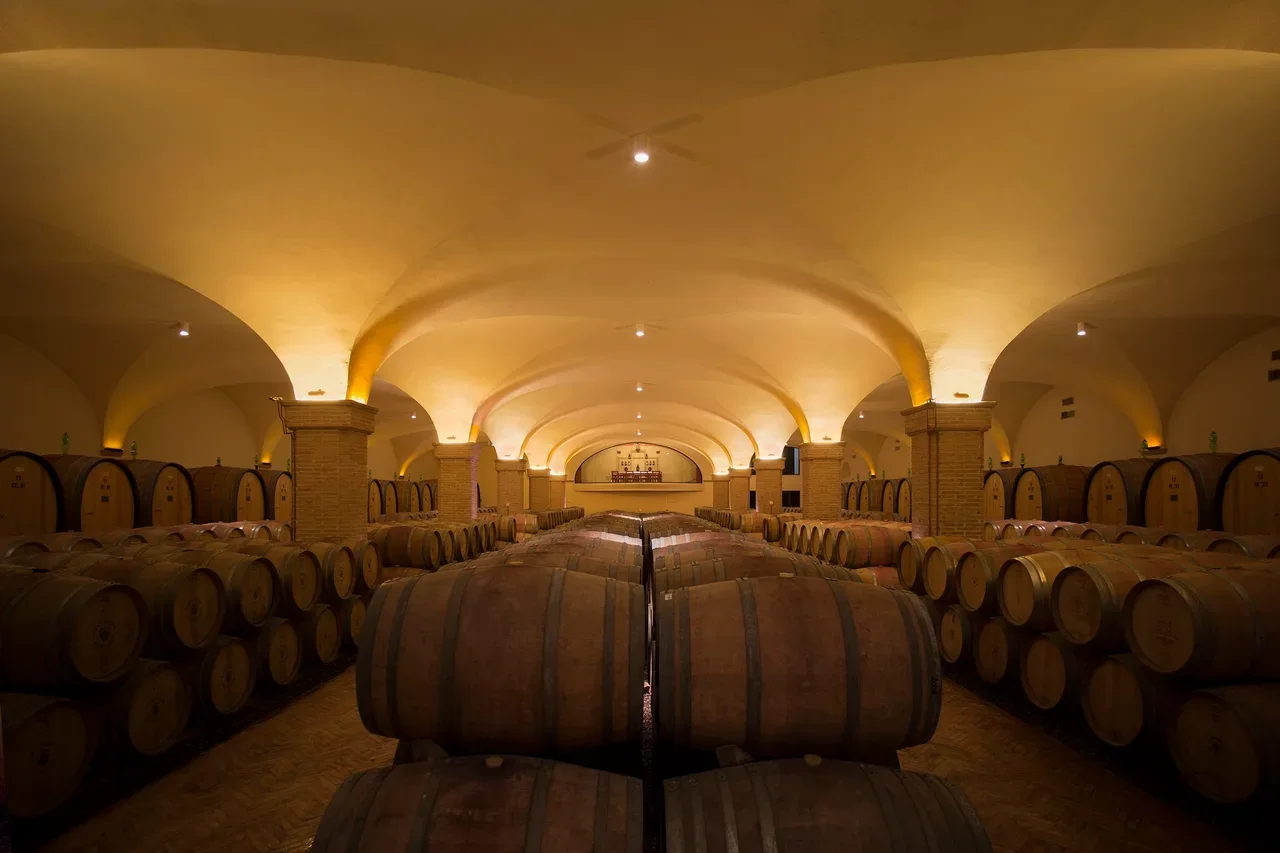
An ageing room can be approached through this relationship between rule and decision. What matters is understanding why a material is followed, how its development is assessed and which moment is being recognised. Waiting appears as work: attention, records and choices occupy what, from a distance, might look like years simply passing.
Carrying a question to the glass
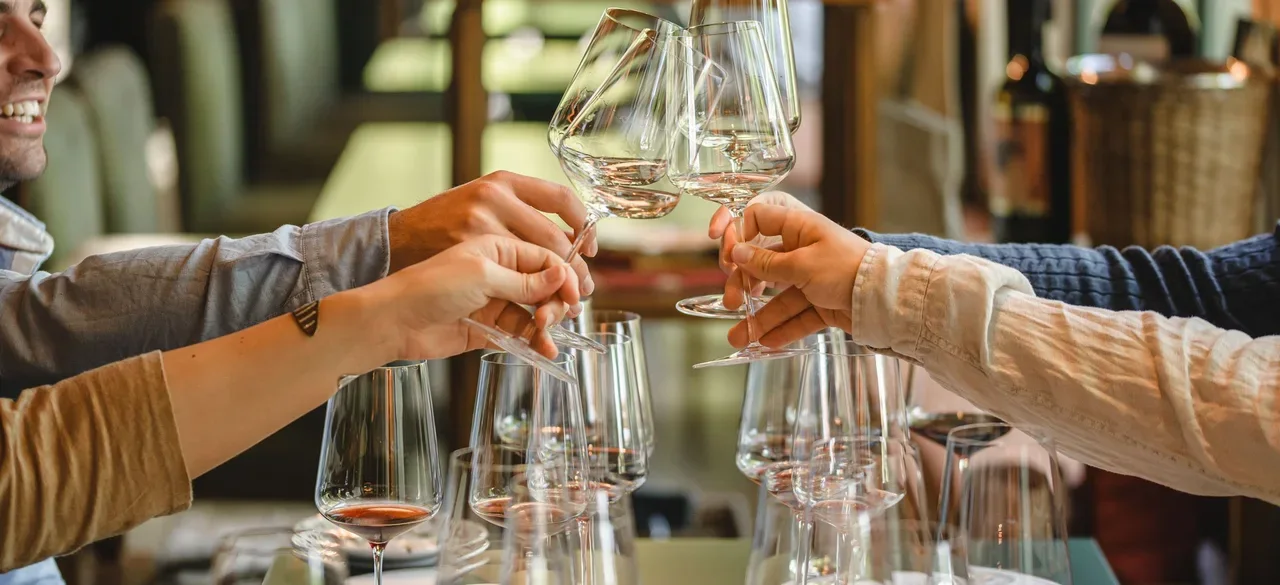
Tasting can extend what landscape and cellar have begun to explain. There is time to relate what has been said to what is perceived, before reaching a quick judgement of preference. Information about origin or ageing provides a reference; a taster’s attention then finds its own language.
Simple questions can begin the process: what is noticed first? What changes after a few minutes of conversation? Which detail helps us remember a wine? Naming a sensation asks for care and for freedom to learn. A reading becomes richer when vocabulary brings an experience closer and makes it possible to share.
The encounter between wine and hospitality involves translation. A place is introduced, something is served and someone tries to make it understandable. The quality of that attention can be remembered even when bottle names are no longer present. What remains is a more precise way of asking.
Returning to a landscape after learning about some of its work can change how we see it. The vineyard comes to hold choices and durations. A glass offers a place to continue reading, with time to learn the difference between recognising a name and understanding a relationship.
Sources & reading
Text: World Cooking Experience. Editorial essay informed by the sources below and the house’s 2026 preparatory archive.
- Consorzio del Vino Brunello di Montalcino ↗
- Consorzio del Vino Brunello di Montalcino ↗
- Castiglion del Bosco ↗
- Consorzio del Vino Brunello di Montalcino ↗