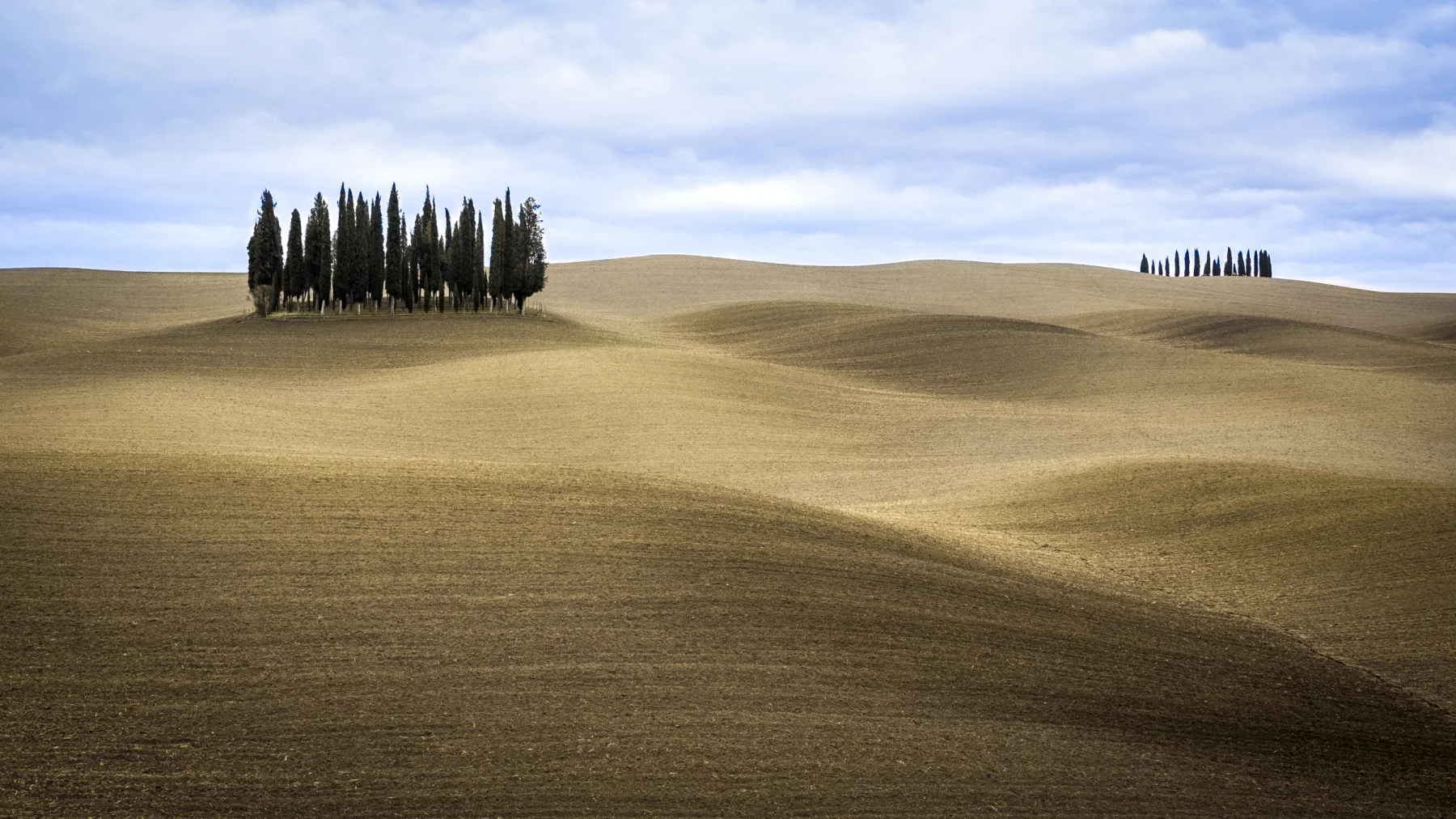
A landscape contains decisions that a first glance may overlook. Where something was planted, how a place is crossed, how a hillside was inhabited and what space was left between buildings can all offer ways into understanding. A photograph holds a relationship still. Context allows us to look again.
This essay brings different Tuscan geographies together through photographs with identified origins and authorship. The Serchio Valley, Palaia, the surroundings of Siena and Val d’Orcia retain their differences. The sequence explores relationships between cultivation, stone and terrain, rather than tracing a journey’s route.
Attention changes scale
In Barga, in the Serchio Valley, the relationship between settlement and mountain shifts the familiar reading of open hills. Palaia offers another scale of closeness between rooftops and land. The vineyards of Ponte a Bozzone, near Siena, belong to their precise location; visual resemblance does not make them Montalcino.
Val d’Orcia’s UNESCO recognition as a cultural landscape in 2004 connects agriculture, settlement and history. It offers a productive clue: some of the beauty being recognised was made over time. A road, a field and a line of trees can also be read as relationships between uses and choices.
A caption extends the image
A caption commits a photograph to a place. Naming San Quirico d’Orcia, Barga or Palaia keeps the region from dissolving into a generic image. Identifying the photographer recognises another presence: someone who chose a viewpoint and a composition.
The sequence may end among Siena’s stone or the towers of San Gimignano. Questions remain for another reading: what work sustains this landscape? How do production, living and visiting coexist within it? Our view gains depth when we begin to look for those relationships.
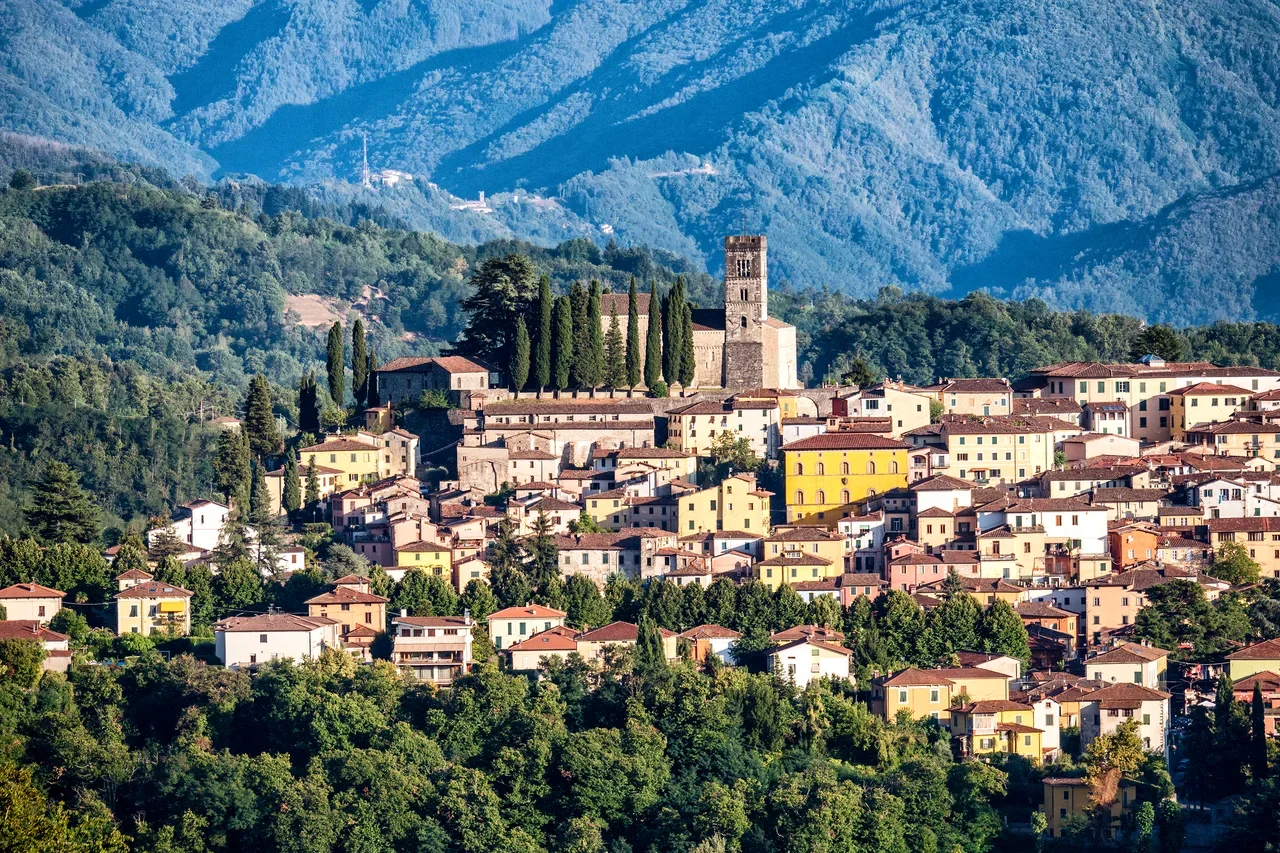

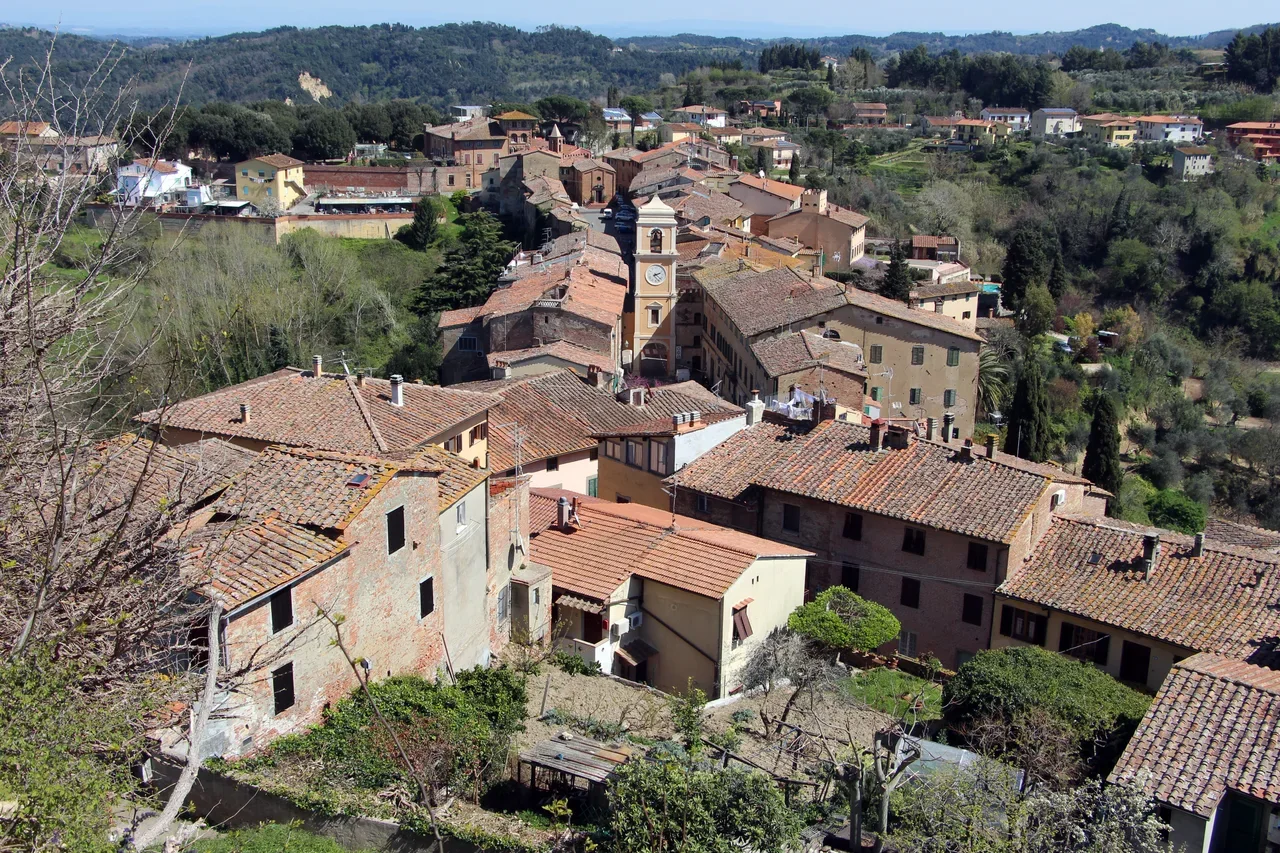

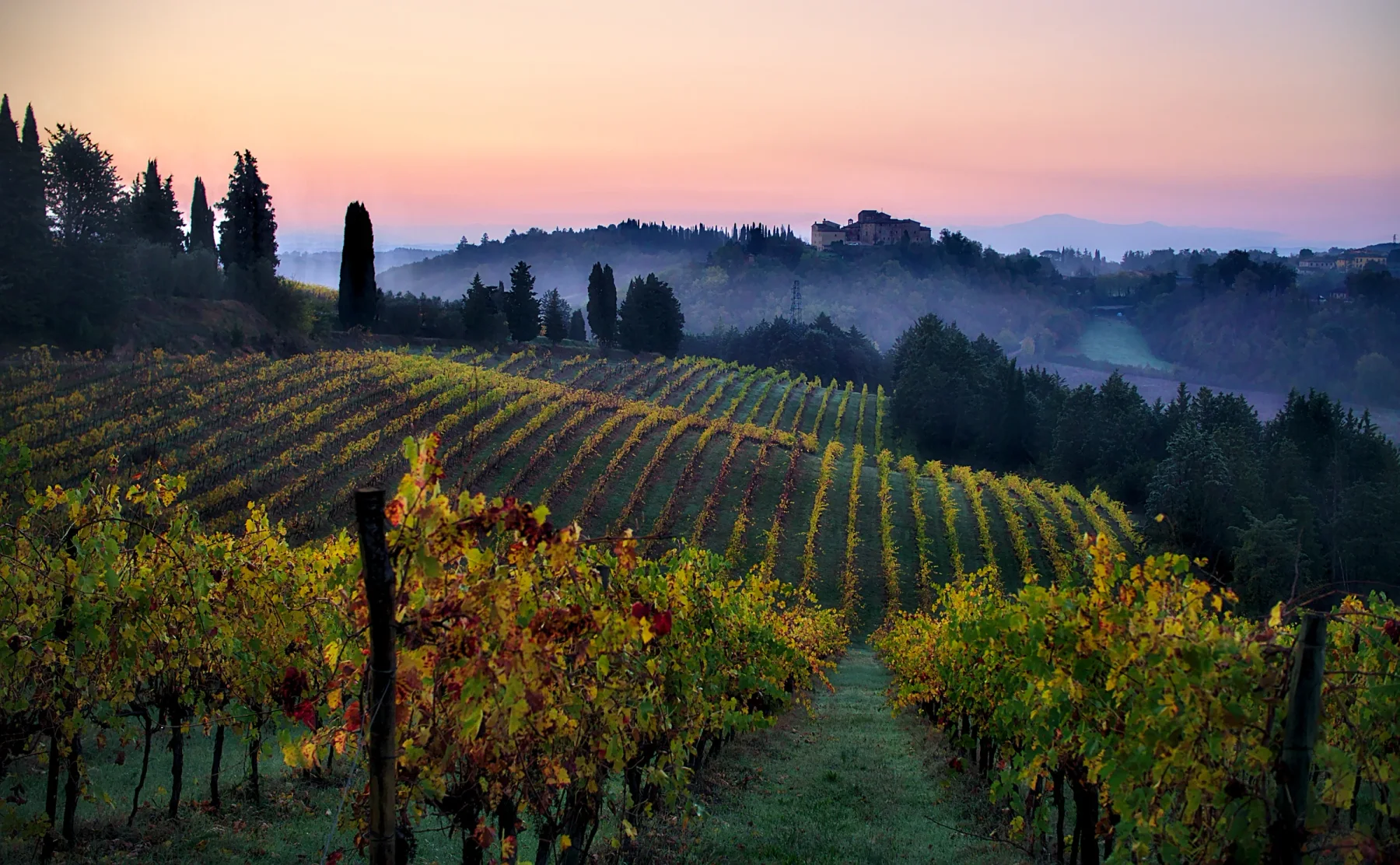

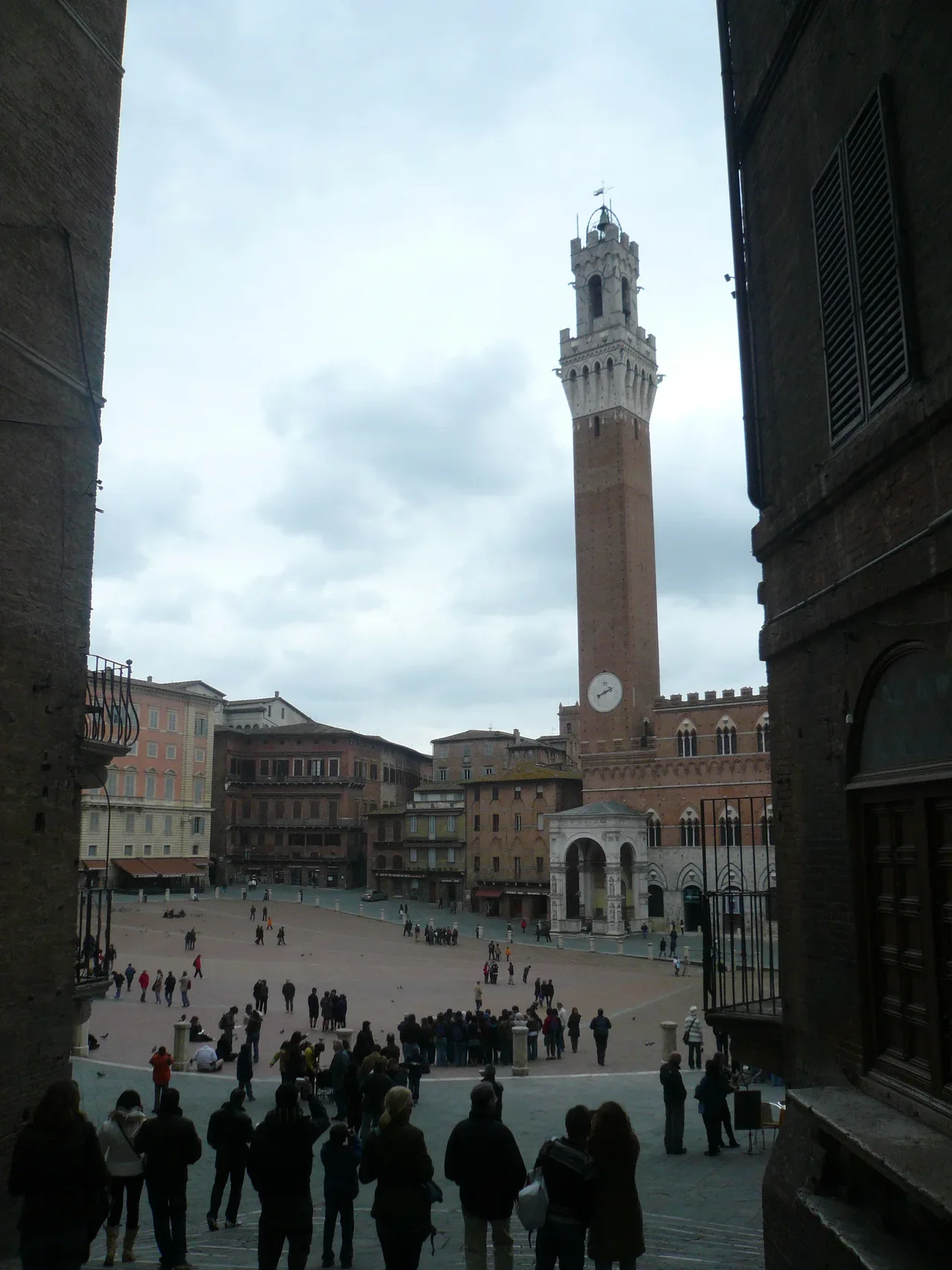

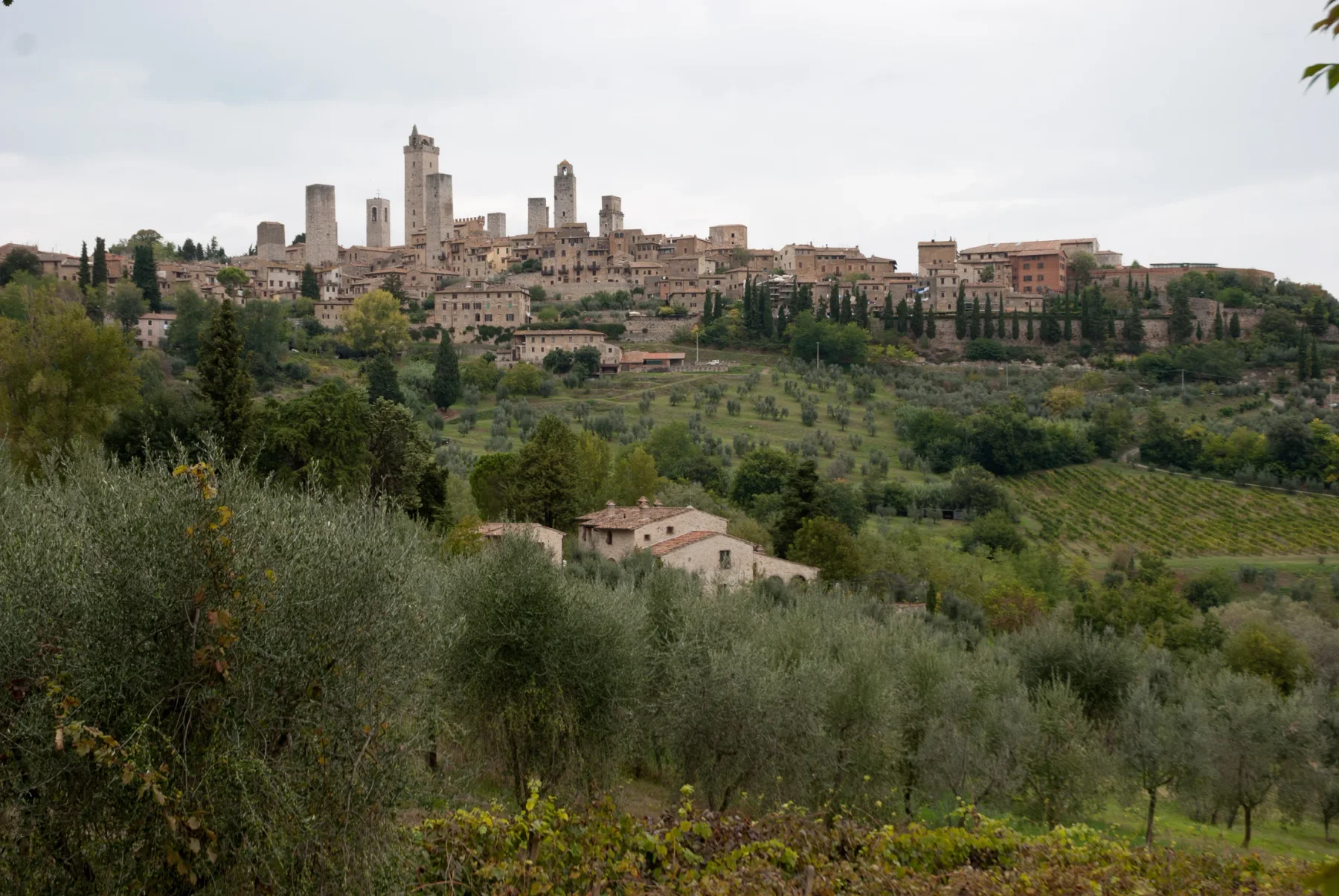

Territorial archive photographs, with locations and credits identified in their captions. The selection is not presented as a photographic record of WCE’s 2026 journey.
Sources & reading
Text: World Cooking Experience. Editorial essay informed by the sources below and the house’s 2026 preparatory archive.
- UNESCO World Heritage Centre ↗
- Unione Comuni Garfagnana — portal turístico ↗
- Regione Toscana — patrimonio agroforestale ↗