Taking part in preparing a meal changes the questions we bring to the table. An ingredient acquires weight, resistance and working time. A technique can be watched, attempted and corrected. Understanding develops through what the body begins to recognise: the distance between hearing an instruction and grasping what it asks of the hands.
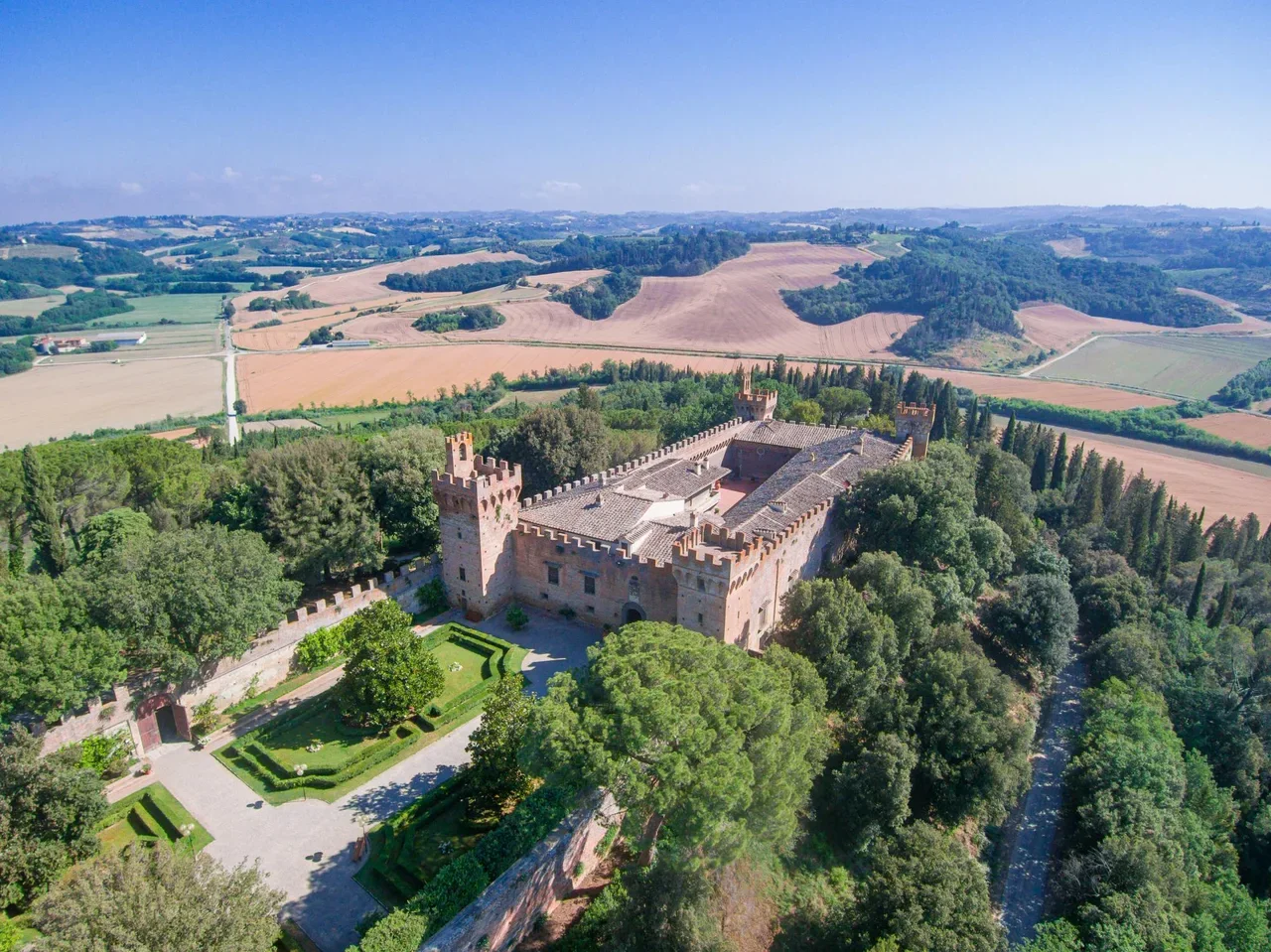
Castello di Oliveto brings cooking, estate and sharing together. Its proposition allows a meal to be considered as a sequence of relationships: becoming familiar with an ingredient, following its transformation and talking about what has been prepared. Between landscape and table, the hands offer an intimate scale for understanding a place through its work.
A question that can be practised
In Oliveto’s cooking-class proposition, participants prepare a menu with the team before sharing the meal. Making and eating become part of the same sequence. The result can be considered through the choices that preceded it, and conversation at the table acquires references that began at the workbench, between an instruction and an attempt.
Editorial interest begins with room to ask. Why does a gesture follow this order? How is a texture recognised? What changes between one attempt and the next? These questions make participation observable and distinguish the memory of a technique from simply remembering the name of a dish.
Learning also involves accepting what we cannot yet recognise. A beginner looks for references: a position of the hands, a way of distributing material, a pause before continuing. An explanation gains meaning when it meets that attempt. Knowledge develops a relationship with the body and can return to a kitchen at home.
Cooking within a place
The castle’s presentation connects its history with farming, wine and olive oil. This context allows cooking to be considered within a productive landscape. The table can reveal relationships between what is prepared, what is cultivated and the way a house chooses to welcome.
Recognising these relationships calls for specific questions. Which produce belongs to the property’s own work? Which ingredients come from elsewhere? How does a preparation relate to the season or to local culinary memory? Precision adds interest to an encounter and preserves the actual diversity of what reaches the plate.
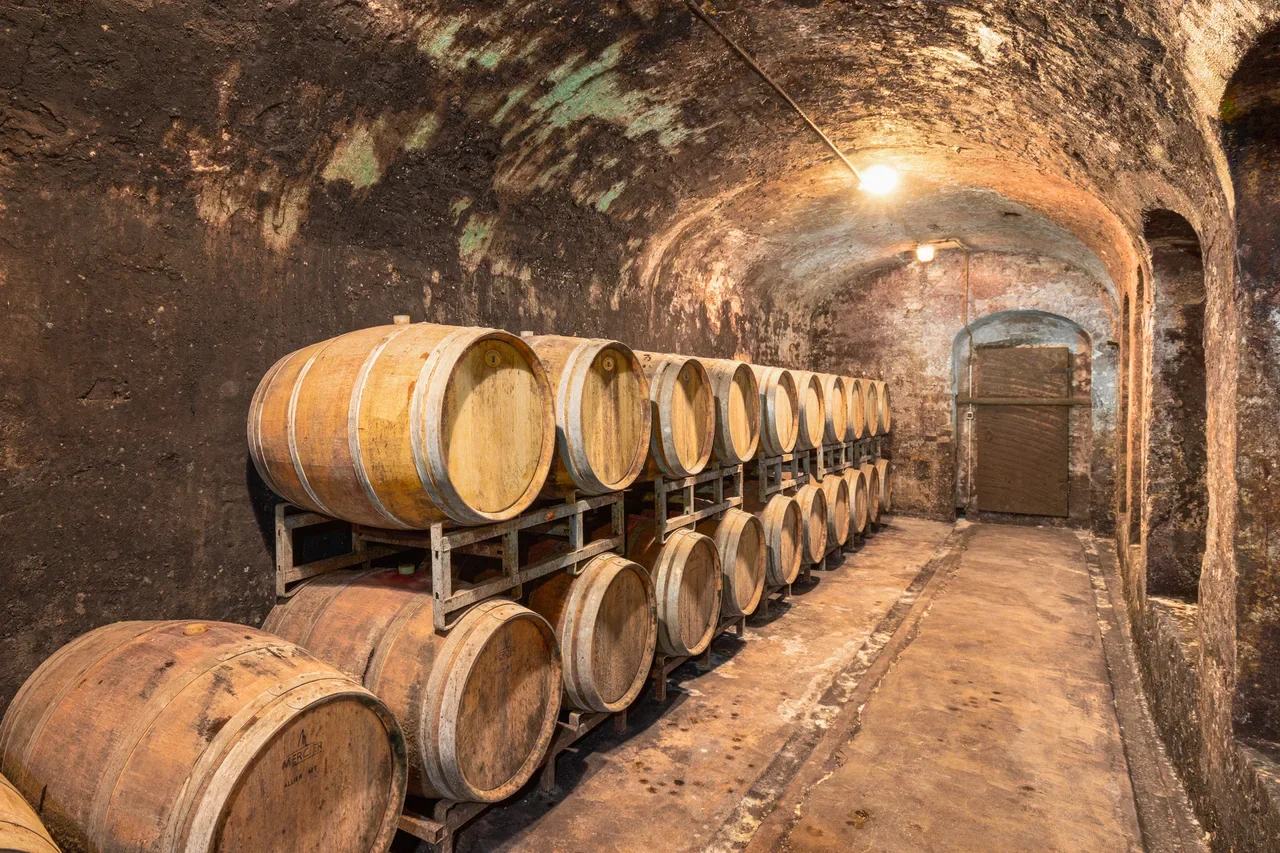
A cellar, kitchen and dining space can offer different scales of attention. In the cellar, the conversation approaches keeping and transformation. At the workbench, it asks for a gesture that can be followed. At the table, the preparation meets company and interpretation. Moving between these settings gives depth to a visit when each retains its own function.
What returns to the table
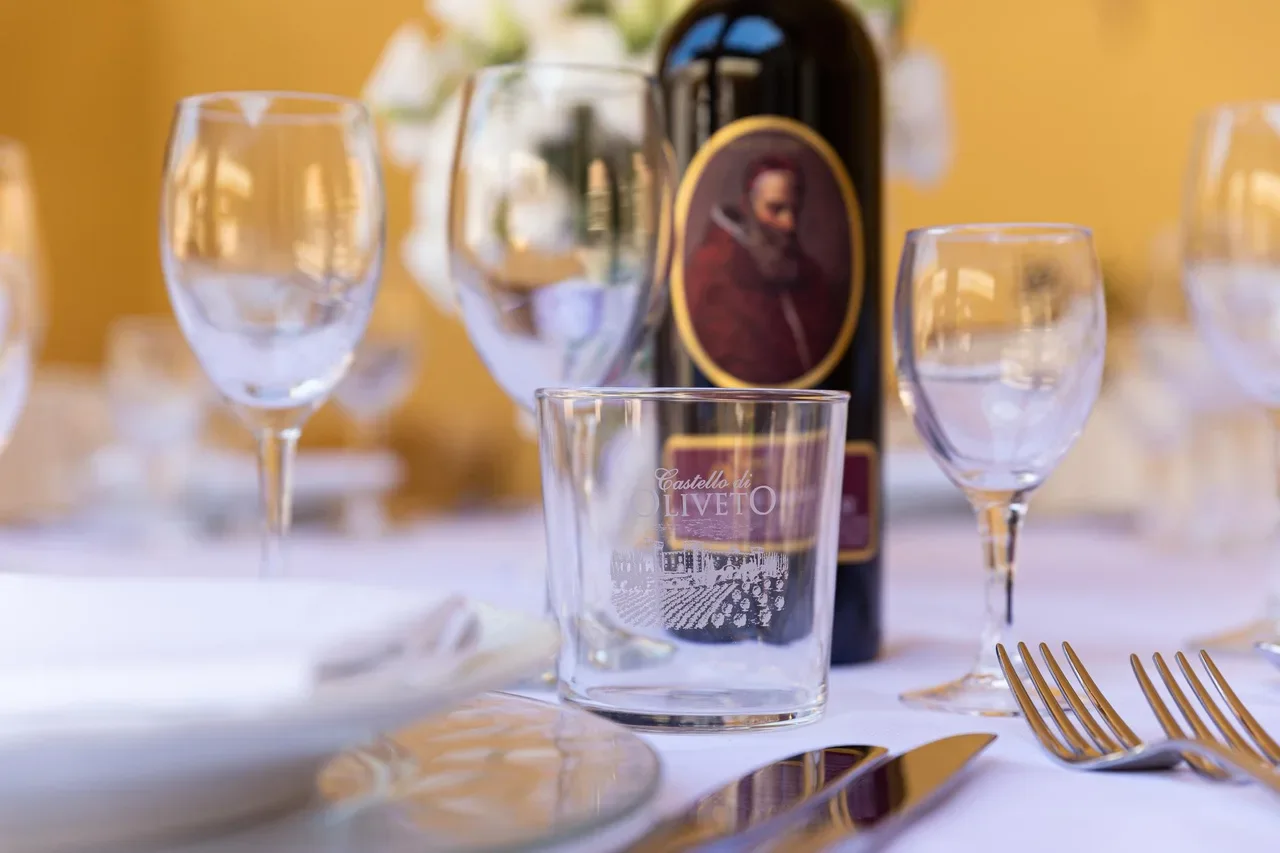
Eating after taking part can bring renewed attention to the result. Some decisions have become recognisable because they were followed: a preparation, a correction, the care given to an ingredient. The meal offers time to connect these elements and hear what others noticed differently.
Sharing extends the learning. One preparation can raise questions about technique, family memory, habits and ways of receiving people. A group builds a conversation from references that have become concrete. Continuity develops when each person can name a gesture they wish to understand more fully.
Continuity can begin with what returns to a kitchen at home. An explanation becomes a reference for another attempt; an observed gesture helps us recognise a difficulty. Repetition uncovers further questions. The memory of a place acquires a useful form, connected to the pleasure and attention involved in preparing something for another person.
An act of learning can fit into a short sequence: observe, try, recognise, repeat. Taking it from a workbench into one’s own kitchen is a way to continue a relationship with a place. The hands keep questions that the table helps to develop.
Sources & reading
Text: World Cooking Experience. Editorial essay informed by the sources below and the house’s 2026 preparatory archive.
Image credits and editorial note ↗