THE FIRST ISSUE
Truffle,craft andlandscape.
Tuscany, through those who shape it.
Woodland, workbenches, kitchens and tables. A reading of the places and gestures that give Tuscany its depth.
Enter the issue ↘SEVEN STORIES · THREE MOVEMENTS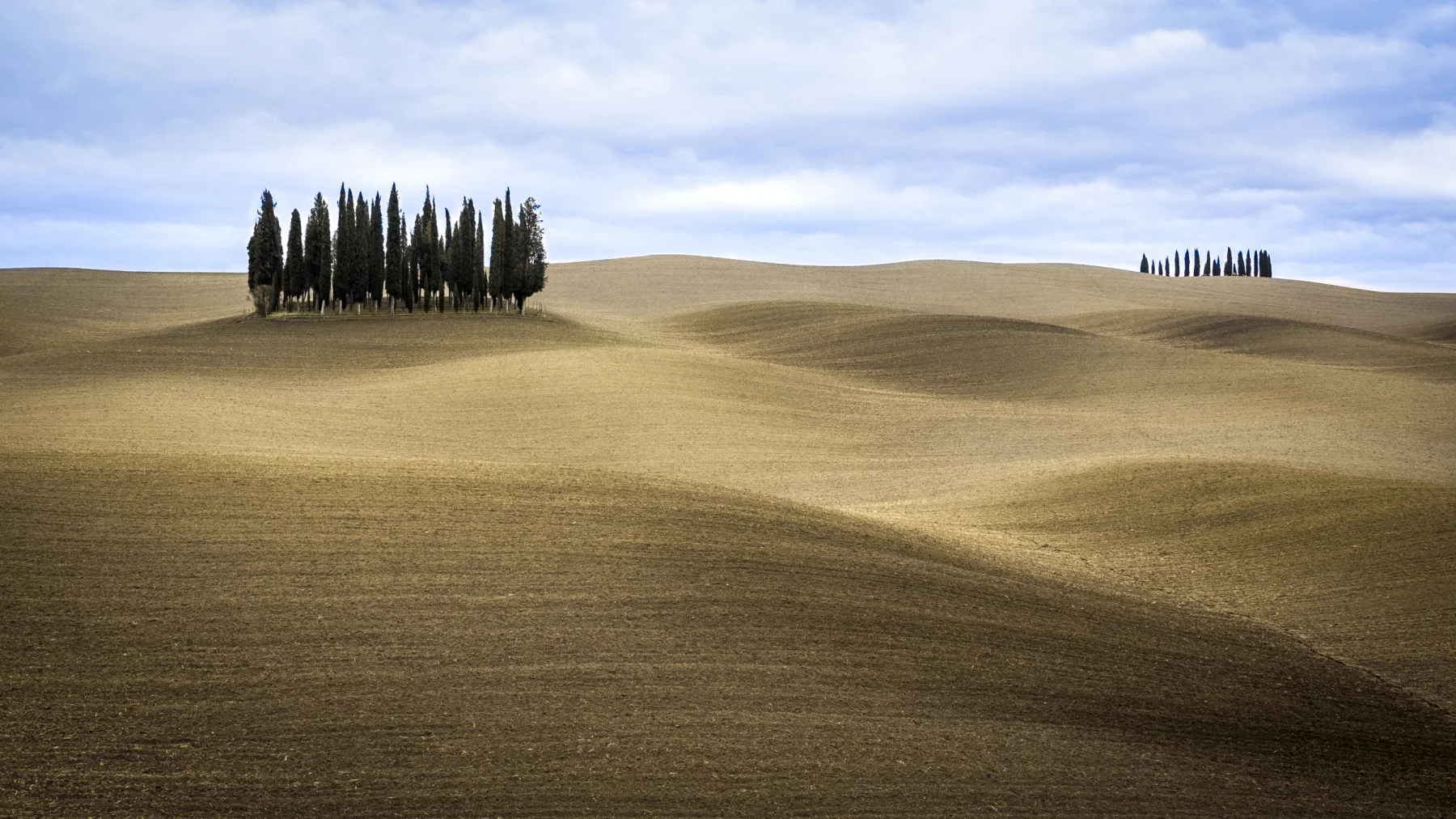

01
THE ISSUE, IN THREE MOVEMENTS
A place.
Ways of learning.

MOVEMENT I
Matter and origin
Woodland and landscape: reading the work that comes before the table.
- 01Essay · 4 MIN
Before the aroma, the woodland ↗
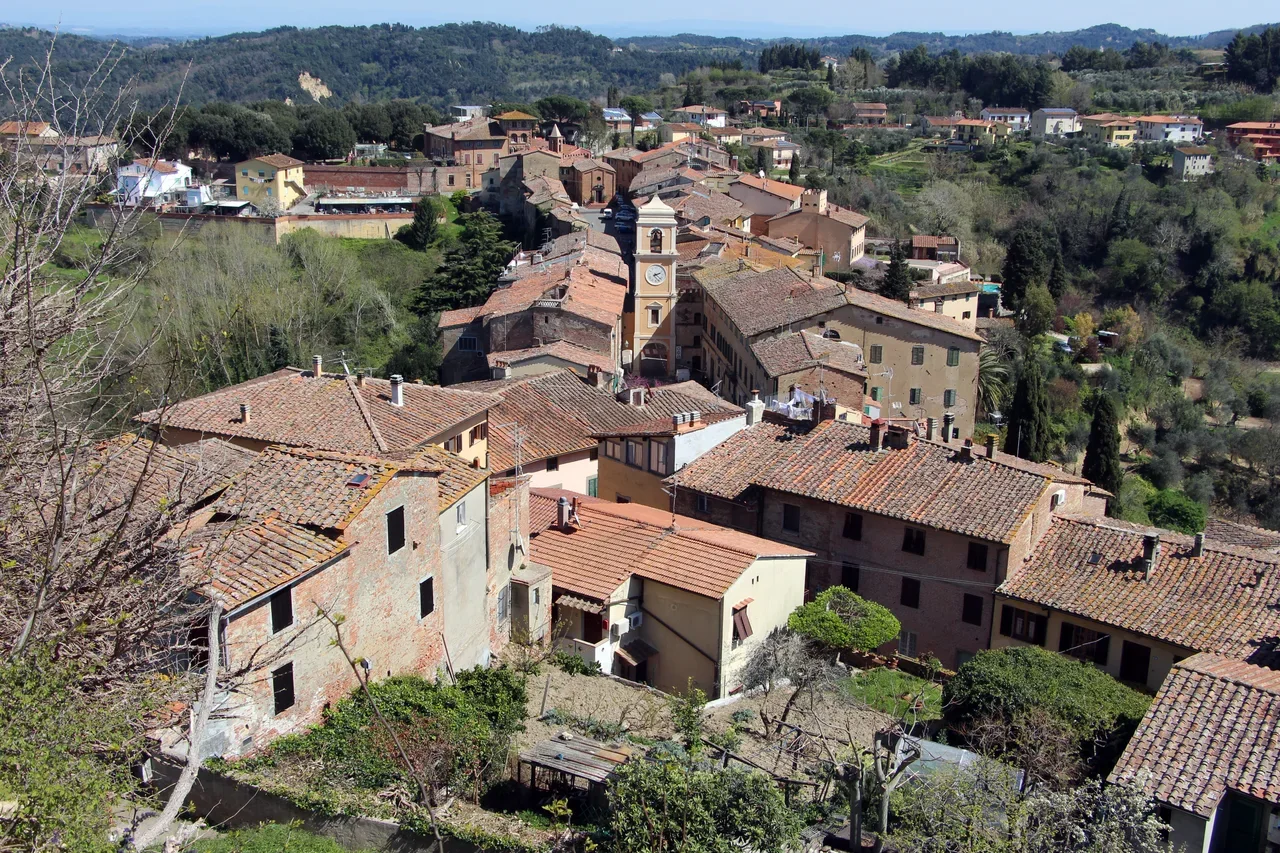
Around Palaia, truffles bring together land, knowledge and patience. The reading begins with the work that precedes the plate.
- 02Visual essay · 2 MIN
Landscape is also made ↗
Stone, cultivation and terrain carry traces of work. Six images for reading a Tuscany shaped by difference.
MOVEMENT II
Craft and transformation
A city and a kitchen: approaching a place through the gestures of those who shape it.
- 03Essay · 4 MIN
A city made by hand ↗
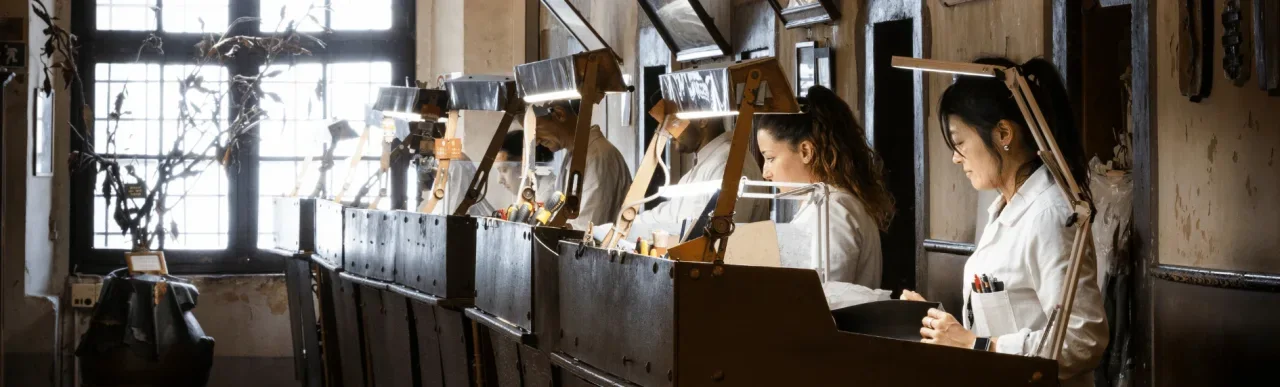
Between workbenches, vessels and botteghe, Florence can be read through the work that gives material its form.
- 04Essay · 4 MIN
What the hands can teach ↗
In Castello di Oliveto’s published repertoire, preparing and sharing a meal belong to the same encounter. Cooking offers a way to connect produce, place and learning.
MOVEMENT III
Table and continuity
Lucca, Montalcino and Siena: city, wine and hospitality as ways of continuing.
- 05Essay · 4 MIN
Lucca, between memory and invention ↗
A historic city can welcome cooking in motion. Between the walls and Giglio, the reading follows ways of remaining and receiving.
- 06Essay · 4 MIN
Time within the landscape ↗
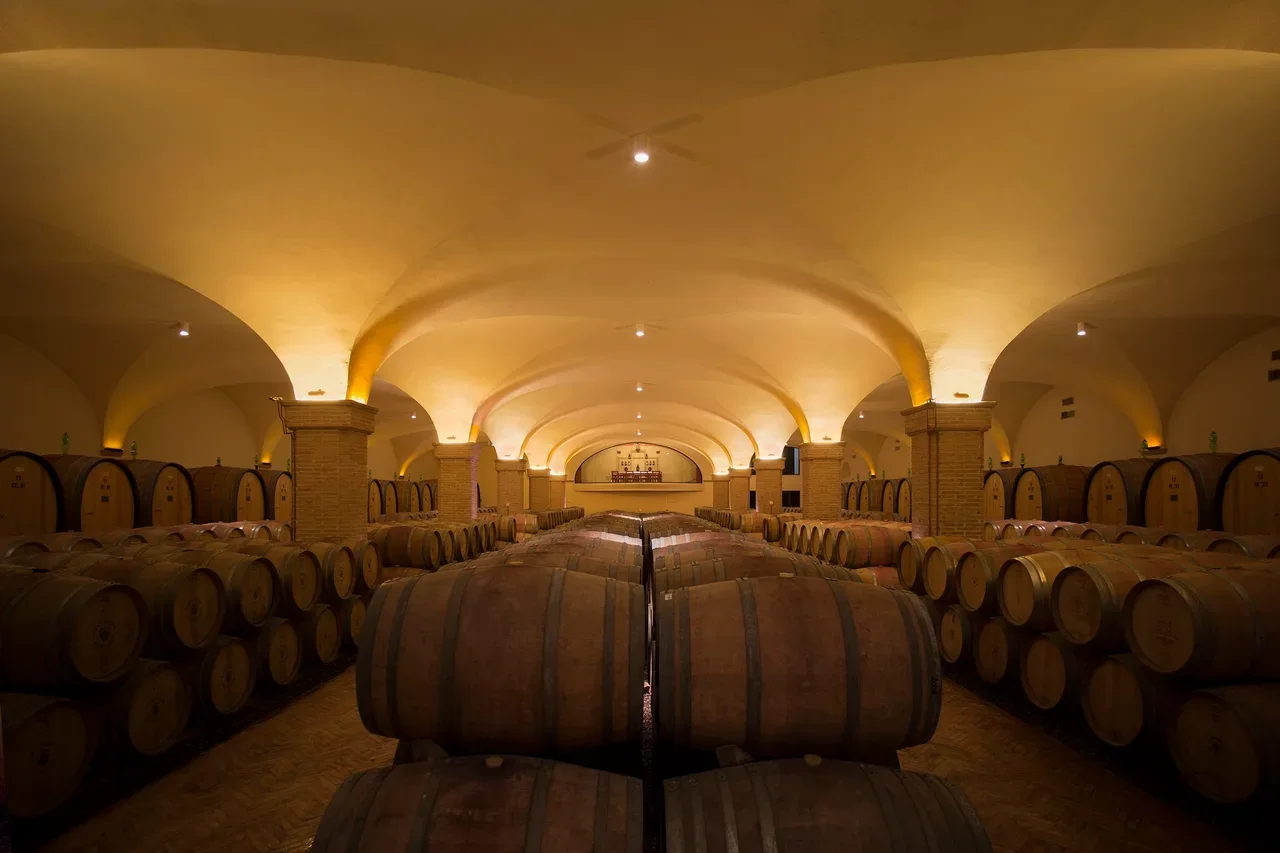
In Montalcino, wine connects cultivation, ageing and hospitality. Castiglion del Bosco offers a viewpoint on the differences held within a territory.
- 07Essay · 3 MIN
The city continues at the table ↗
In Siena, stone, belonging and hospitality bring different forms of memory together. A final table can awaken a wish to return.
THE RELATIONSHIP CONTINUES
Some questions
deserve another table.
Cartas da Mesa brings selected stories, people and places into a correspondence followed by choice.
Discover Cartas da Mesa ↗Editorial essays developed from WCE’s 2026 Tuscan material and identified documentary sources. Photographs retain their archive origins and credits in the captions.
The issue and its sources ↗